Buying crystals today is easier than ever—but also riskier.
With so many options online, from marketplaces to social platforms, it’s becoming harder to tell real crystals from glass, plastic, or treated stones. Many buyers only realize the problem after receiving something that looks “too perfect” or feels off.
This guide walks you through 5 quick, practical ways to check crystal authenticity, plus the most common mistakes buyers make—and how to avoid them.
1. Look Inside: Natural Imperfections Are a Good Sign
The fastest way to spot a real crystal is to observe its internal structure.
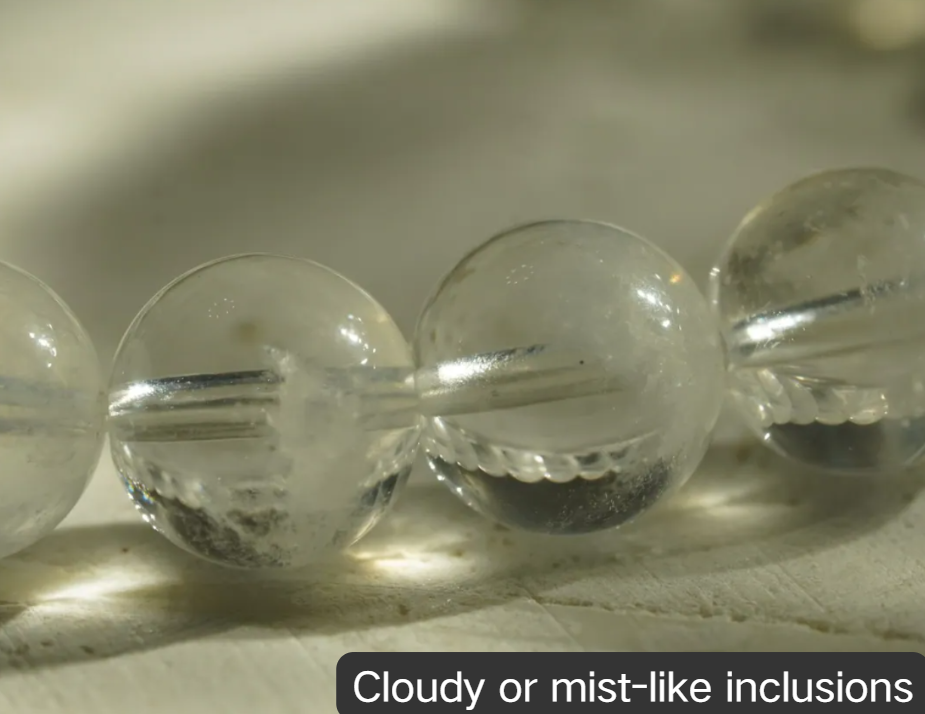
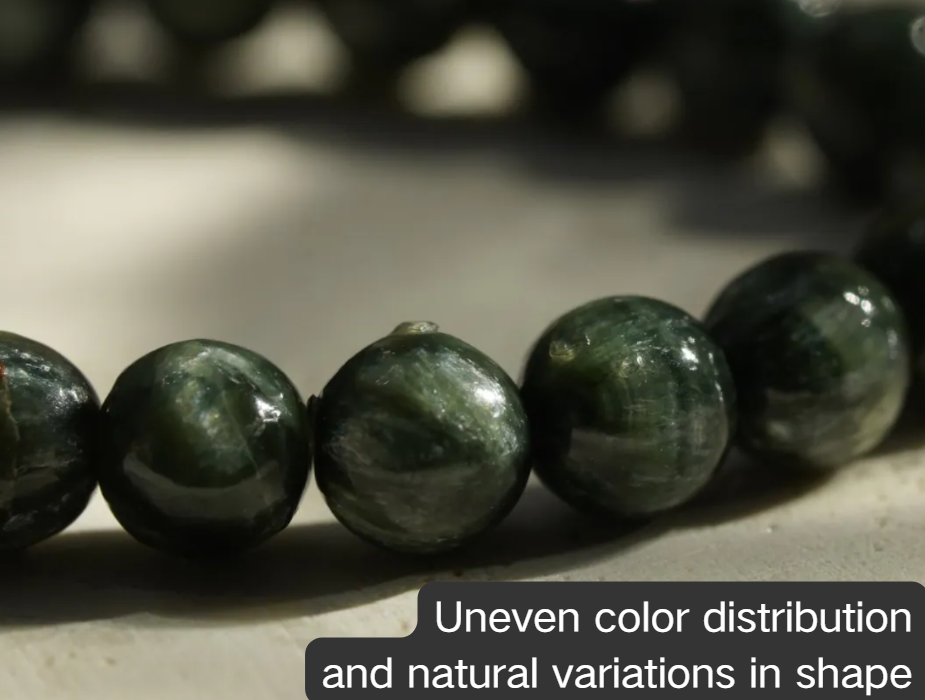
Natural crystals form underground over millions of years under heat and pressure. During this process, they develop internal features that are irregular, organic, and unique.
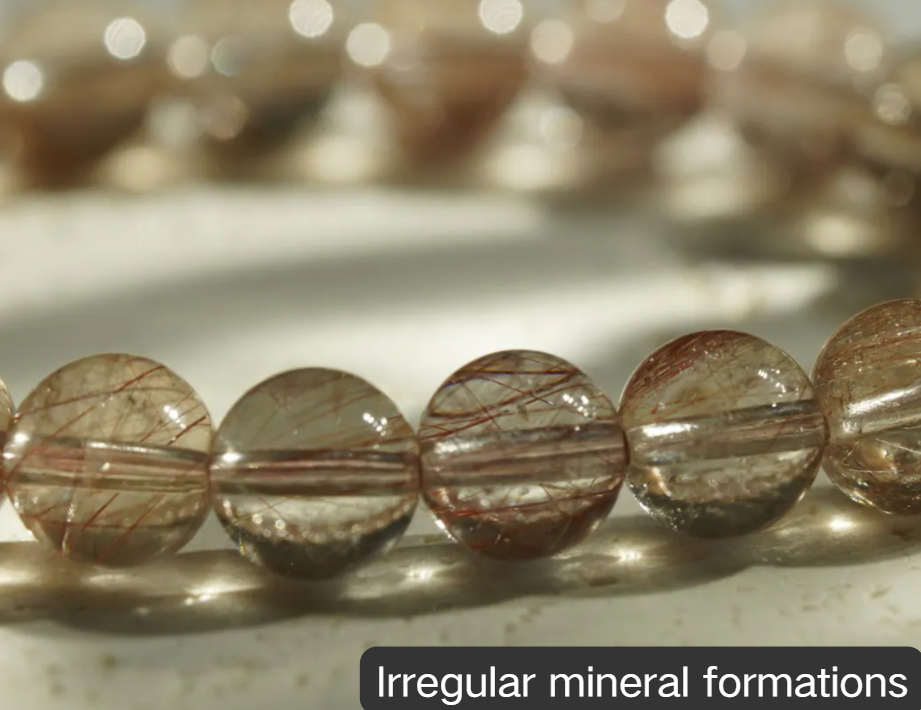
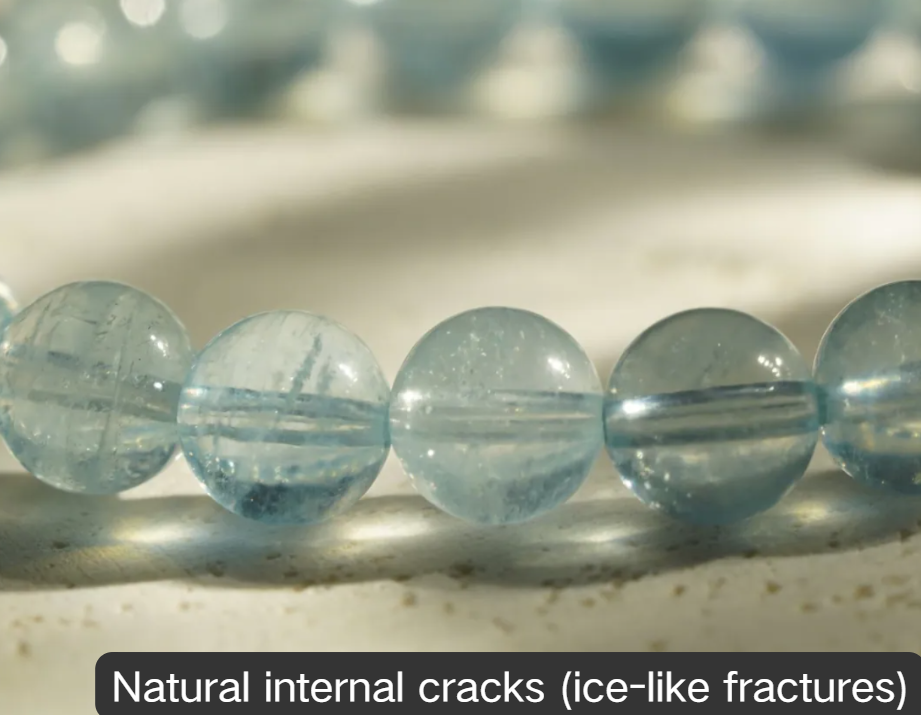
Common natural characteristics:
-
Internal fractures (“ice cracks”) – look like cracks but do not break the stone
-
Cloudy or cotton-like inclusions – soft, misty or thread-like patterns
-
Tiny bubbles (rare and irregular) – scattered, not uniform
-
Mineral inclusions – traces of other minerals formed together
These “imperfections” are actually what make natural crystals authentic.
 |
 |
 |
 |
Red flag:
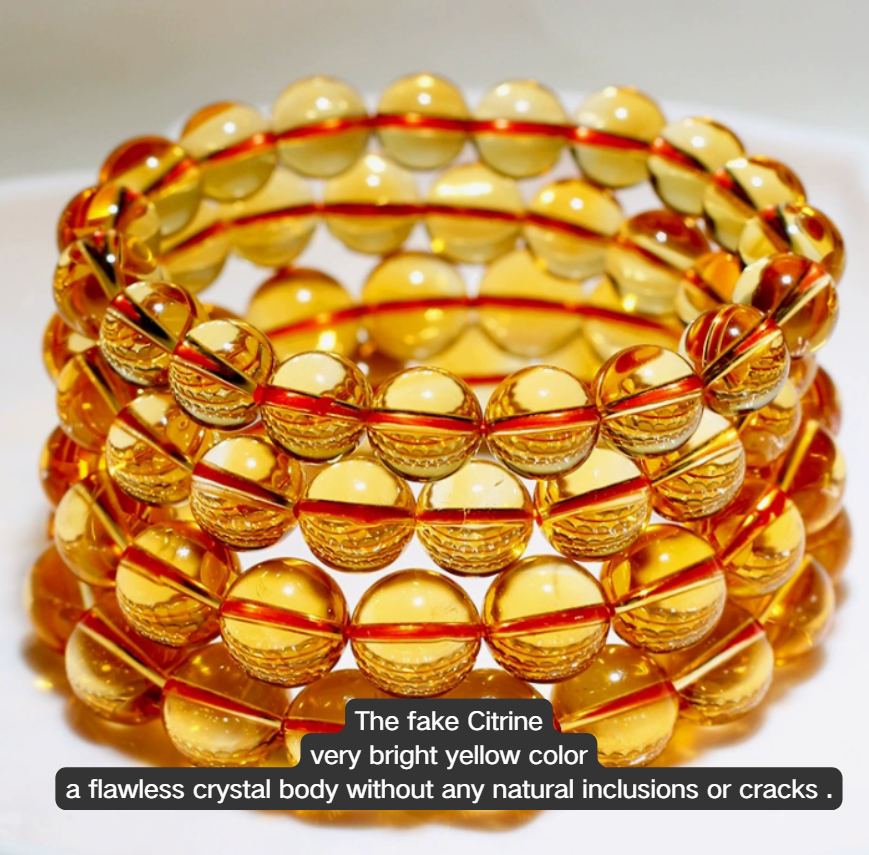
If a crystal looks perfectly clear, flawless, and uniform, especially at a low price, it may be glass or synthetic material.
👉 Rule of thumb: If it looks “too perfect,” be cautious.
2. Hardness Test: A Simple Way to Filter Out Fakes
Many common crystals (like quartz) have a Mohs hardness of around 7, meaning they are harder than glass.
Quick reference:
-
Knife blade: ~5.5
-
Glass: ~5.5–6
-
Quartz (clear quartz, amethyst, rose quartz, citrine): 7
-
Obsidian: 5–5.5
-
Moonstone: 6–6.5
-
Fluorite: 4
-
Calcite: 3
-
Tourmaline: 7–7.5
-
Tiger’s Eye: 6.5–7
How to test (carefully):
-
Gently scratch an unnoticeable area against glass
-
Real quartz should be able to slightly scratch glass
-
Softer materials will not
⚠️ Important:
Do not damage your crystal. This test should be used cautiously and only as a rough filter.
Also, not all “crystals” have the same hardness—always check the specific material first.
3. Double Refraction: A Subtle Optical Clue
Some natural crystals show a phenomenon called double refraction (also known as birefringence).
Simple test:
-
Place the crystal bead or sphere on top of printed text or lines
-
Look from above
-
If you see double lines or a shadow-like duplication, it may indicate natural optical properties
If you only see a single, flat line with no distortion, it could be glass or plastic.
⚠️ Note:
Not all crystals show this clearly. The effect depends on:
-
crystal type
-
cut and shape
-
viewing angle
Use this method together with other checks, not alone.
4. Temperature & Touch: Real Crystals Feel Cooler
Natural crystals usually feel cooler to the touch than glass.

Quick check:
-
Hold the crystal in your palm
-
Real crystals tend to stay cool longer
-
Glass or plastic warms up quickly
This is a simple but surprisingly effective first impression test, especially when comparing multiple items.
5. Price & Source: The Most Overlooked Factor
This is where most buyers get misled.
While prices vary depending on type, clarity, size, and origin, extremely cheap crystals are often a warning sign.
High-risk categories where buyers often get scammed:
-
Citrine
-
Green Phantom
-
Aquamarine
These stones naturally have higher material costs, so unusually low prices should raise questions.
👉 Reality check:
Good crystals don’t always have to be expensive—but if the price feels unrealistic, it probably is.
Where You Buy Matters More Than You Think
Authenticity is not just about the crystal—it’s about the seller behind it.
At OwniCrystos, our crystals come from long-term, trusted suppliers and are carefully selected through a combination of:
-
visual inspection (internal structure, clarity, light behavior)
-
material knowledge and gem-related training
-
years of hands-on selection experience
Our selection process is handled by specialists with 10–20+ years of experience, including backgrounds in gemology and jade identification.
This allows us to filter out low-quality or artificial pieces before they ever reach customers.
Do You Really Need a Lab Certificate?
This is one of the most common questions.
The truth:
Not every crystal needs a lab certificate.
Why?
-
Certification can be expensive relative to the product value
-
Many lower-priced items do not justify individual testing
-
Certificates themselves can also be faked, especially in low-cost markets
So how do you ensure quality?
Focus on:
-
reputable sellers
-
consistent quality control
-
transparent product information
-
realistic pricing
Professional experience and sourcing standards often matter more than a piece of paper.
Common Mistakes Crystal Buyers Make
Before you buy, avoid these typical pitfalls:
❌ Choosing based only on appearance (“it looks nice”)
❌ Trusting ultra-low prices without questioning quality
❌ Assuming all “clear” stones are high quality
❌ Relying only on certificates without verifying the seller
❌ Ignoring internal texture and structure
Final Thoughts: Real Crystals Are Not Perfect—and That’s the Point
Natural crystals are shaped by time, pressure, and geological change. They carry irregularities, textures, and variations that make each piece unique.
Instead of chasing perfection, look for:
-
natural inclusions
-
realistic pricing
-
trustworthy sources
-
consistent craftsmanship
That’s how you make a confident purchase.